Short answer
Image file names can help search engines understand an image, but they are only one signal. A useful filename is descriptive, short, hyphenated, and consistent with the image content. It should support alt text, captions, page copy, and crawlable implementation rather than replace them.
For platform rules, use Google's image SEO best practices, the W3C alt text decision tree, and Web.dev image performance guidance as the source of truth.
Reader question
"Is it worth renaming images before upload?"
Yes when the current file name is meaningless, like IMG_4829.jpg. Use the AI Image SEO Optimizer to generate filenames that match the visible image and target page topic.
Table of Contents
I am going to answer this as an editorial and technical SEO workflow, not as a keyword stuffing exercise.
Images help users understand pages, but they also create crawl, accessibility, performance, and preview signals. That is why the best image SEO work is specific and restrained.
Here is the framework I would use for a team is preparing blog and product images and wants to know whether filename cleanup is worth the operational effort.
Filename as a Clue
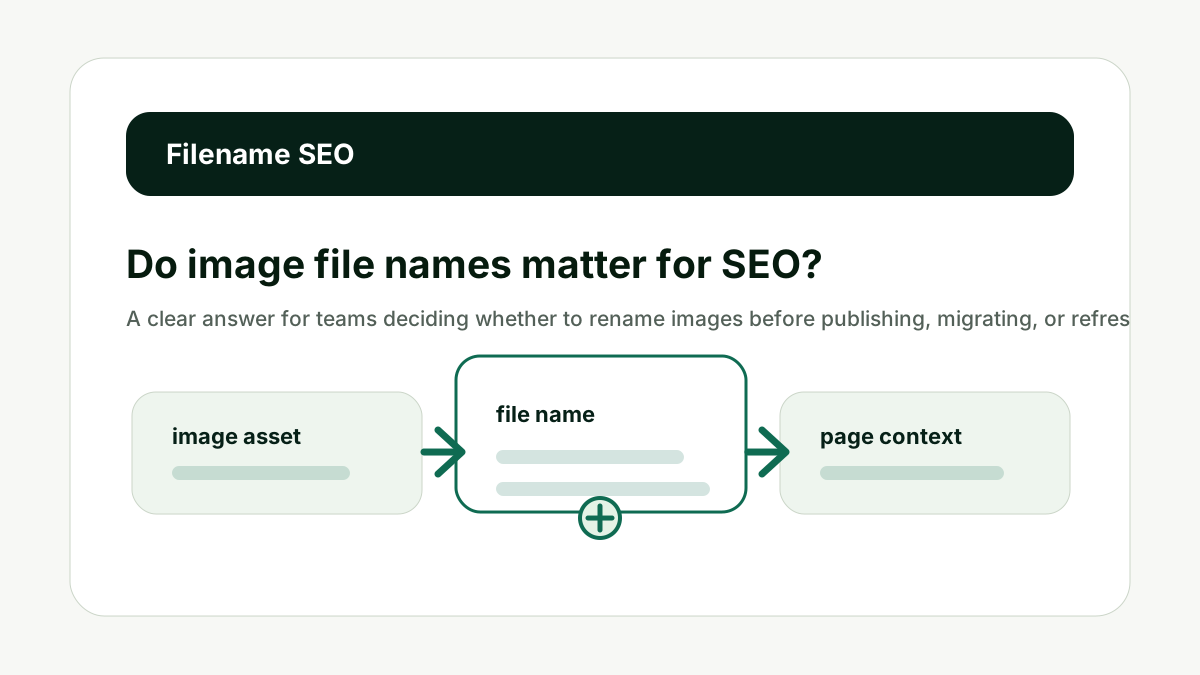
For Do image file names matter for SEO?, filename as a clue matters because a filename gives crawlers another hint about the image subject. The common mistake is treating image SEO as one field in the CMS when it is really a small system of asset quality, page context, crawlability, accessibility, and performance.
A filename like ai-visibility-dashboard-source-gaps.webp is clearer than screenshot-final-v3.png. It also helps teams manage media libraries more sanely.
Do not expect filenames alone to rank an image if the landing page is weak or unrelated. The better habit is to decide what the image contributes, then make the filename, alt text, caption, metadata, and surrounding page support that same job.
This is also where AI output needs human review. A generated filename or alt attribute can save time, but it cannot know whether the screenshot is current, whether a product variant is correct, or whether a chart takeaway is already explained in nearby text.
Filename as a Clue is one of the checks that keeps image SEO useful instead of noisy.
Match the Visible Subject
For Do image file names matter for SEO?, match the visible subject matters because good filenames describe what the image actually shows. The common mistake is treating image SEO as one field in the CMS when it is really a small system of asset quality, page context, crawlability, accessibility, and performance.
Name the asset around the visual subject, not a keyword you wish the page ranked for. If the image shows a product dashboard, mention the dashboard. If it shows a chart, mention the chart topic.
Do not rename a generic office photo after a commercial keyword just because the page targets that phrase. The better habit is to decide what the image contributes, then make the filename, alt text, caption, metadata, and surrounding page support that same job.
This is also where AI output needs human review. A generated filename or alt attribute can save time, but it cannot know whether the screenshot is current, whether a product variant is correct, or whether a chart takeaway is already explained in nearby text.
Match the Visible Subject is one of the checks that keeps image SEO useful instead of noisy.
Use Hyphens and Clean Extensions
For Do image file names matter for SEO?, use hyphens and clean extensions matters because hyphenated lowercase filenames are easier to read and maintain. The common mistake is treating image SEO as one field in the CMS when it is really a small system of asset quality, page context, crawlability, accessibility, and performance.
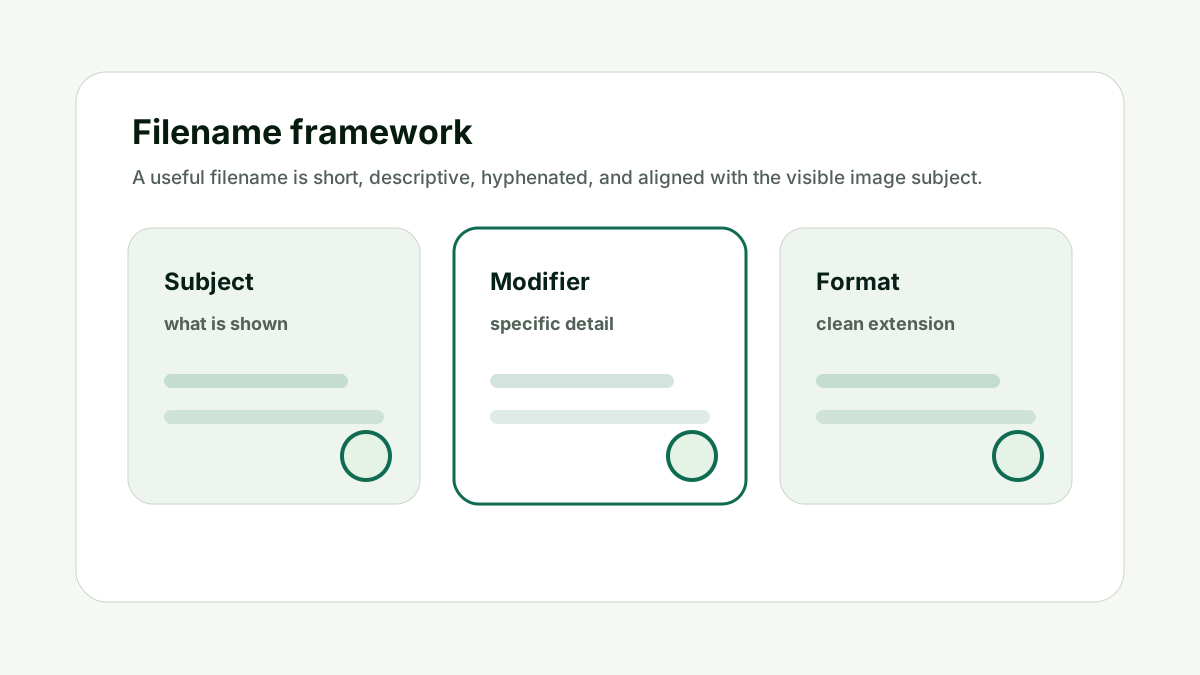
Use short descriptive words separated by hyphens, and keep the extension aligned with the actual file type. Google notes supported image formats and recommends matching the extension with the file type.
Do not use spaces, underscores, tracking clutter, or misleading extensions. The better habit is to decide what the image contributes, then make the filename, alt text, caption, metadata, and surrounding page support that same job.
This is also where AI output needs human review. A generated filename or alt attribute can save time, but it cannot know whether the screenshot is current, whether a product variant is correct, or whether a chart takeaway is already explained in nearby text.
Use Hyphens and Clean Extensions is one of the checks that keeps image SEO useful instead of noisy.
Avoid Late Renames
For Do image file names matter for SEO?, avoid late renames matters because renaming a live image can change the image URL and create broken references if handled carelessly. The common mistake is treating image SEO as one field in the CMS when it is really a small system of asset quality, page context, crawlability, accessibility, and performance.
Set the filename before upload when possible. If you rename a published image, update references, redirects, CDN paths, image sitemaps, structured data, and Open Graph tags where relevant.
Do not bulk rename live assets without a migration plan. The better habit is to decide what the image contributes, then make the filename, alt text, caption, metadata, and surrounding page support that same job.
This is also where AI output needs human review. A generated filename or alt attribute can save time, but it cannot know whether the screenshot is current, whether a product variant is correct, or whether a chart takeaway is already explained in nearby text.
Avoid Late Renames is one of the checks that keeps image SEO useful instead of noisy.
Align With Page Context
For Do image file names matter for SEO?, align with page context matters because file names work best when the surrounding page reinforces the same subject. The common mistake is treating image SEO as one field in the CMS when it is really a small system of asset quality, page context, crawlability, accessibility, and performance.
The filename, alt text, caption, heading, and body copy should all tell a consistent story. That consistency helps both image search and AI systems understand the asset.
Do not optimize filenames in isolation while leaving the article vague. The better habit is to decide what the image contributes, then make the filename, alt text, caption, metadata, and surrounding page support that same job.
This is also where AI output needs human review. A generated filename or alt attribute can save time, but it cannot know whether the screenshot is current, whether a product variant is correct, or whether a chart takeaway is already explained in nearby text.
Align With Page Context is one of the checks that keeps image SEO useful instead of noisy.
Document Media Rules
For Do image file names matter for SEO?, document media rules matters because teams move faster when image naming rules are consistent. The common mistake is treating image SEO as one field in the CMS when it is really a small system of asset quality, page context, crawlability, accessibility, and performance.
Create a simple naming rule for blog, product, case study, and tool images. The rule should cover subject, modifier, page topic, format, and versioning.
Do not leave filename quality to whoever uploaded the image that day. The better habit is to decide what the image contributes, then make the filename, alt text, caption, metadata, and surrounding page support that same job.
This is also where AI output needs human review. A generated filename or alt attribute can save time, but it cannot know whether the screenshot is current, whether a product variant is correct, or whether a chart takeaway is already explained in nearby text.
Document Media Rules is one of the checks that keeps image SEO useful instead of noisy.
How This Fits the Wider SEO and AI Search Workflow
The important thing with Do image file names matter for SEO? is to treat images as part of the page's evidence, not only as decoration. The real job is using filenames as one small but clean signal inside a wider image SEO workflow, then making sure the final article remains crawlable, fast, accessible, and easy to summarize.
That order matters because image SEO has overlapping audiences. Humans need useful visuals. Screen-reader users need meaningful alternatives. Google needs crawlable assets and page context. AI systems need enough surrounding detail to understand why the image belongs on the page.
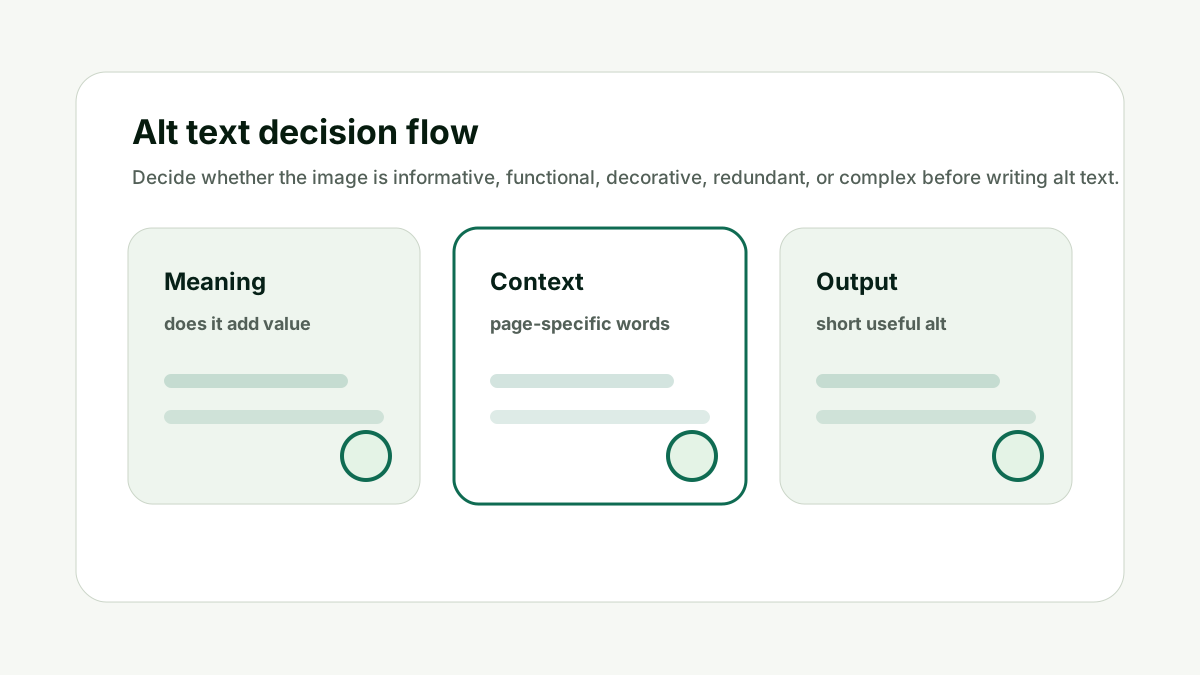
I would use the optimizer as a draft assistant. It can generate filename ideas, alt text, captions, and compression notes. The editor still decides whether the image is informative, decorative, functional, redundant, or complex.
This is also where internal links should stay natural. Use the image tool when the reader is preparing an asset. Use the Indexability and Canonical Checker when the final page has crawl or metadata problems. Use the AI Citation Readiness Checker when the image supports claims that AI systems may quote or summarize.
Generate filename ideas before upload, because renaming images after publishing can create avoidable URL changes. Once the page is live, revisit image performance and search appearance only when the image matters to discovery, trust, conversion, or explanation.
Good image SEO is quiet. It makes the page easier to understand without making the page feel over-optimized.
A Simple Worked Example
A post has a hero image named download-7.png. The image actually shows a content calendar for AI search articles. Renaming it before upload to ai-search-content-calendar.webp gives the file a cleaner descriptive signal.
The alt text might be "AI search content calendar organized by prompt intent and article type." The caption might explain how the calendar maps prompts to supporting pages.
Those three elements work together. The filename gives a crawlable clue. The alt text describes the visual. The caption explains the editorial meaning. None of them needs keyword stuffing.
The important operational detail is timing: do this before upload whenever possible. Renaming after publication creates more risk than value unless the current filenames are actively confusing or broken.
Practical action checklist
- Rename meaningless filenames before upload.
- Use short, lowercase, hyphenated names.
- Describe the visible image subject.
- Keep file extension aligned with the actual image format.
- Avoid changing live image URLs without updating references.
What I Would Do Next
Create a filename rule for your content team.
Generate filename options for the next batch before upload.
Audit old high-traffic pages only when filename cleanup has real value.
Conclusion
Do image file names matter for SEO? is a useful question because it separates visual quality, accessibility, crawlability, page context, and performance.
The practical answer is to make the image clear, useful, fast, and connected to the surrounding page. That is better than treating alt text or filenames as isolated SEO fields.
When the image genuinely supports the page, search engines and AI systems have a cleaner signal to understand it.
FAQ
Do filenames matter more than alt text?
No. Filenames are one clue. Alt text, page context, crawlability, captions, and image quality also matter.
Should I rename every old image?
Not automatically. Prioritize important pages, meaningless filenames, and assets that need cleanup for migrations or image search.
Should filenames include the target keyword?
Only when the keyword naturally describes the image.
Are hyphens better than underscores?
Hyphenated lowercase filenames are the cleaner convention for SEO and team readability.

Adam O'neil
1stpage Editorial Team
Our 1stpage editorial team combines hands-on SEO agency experience with evidence-backed search performance guidance. These posts are built from real search wins, audit-grade insight, and conversion-tested tactics designed to help agencies, founders, and search teams earn more traffic and trust.